The kopitiam downstairs from my block is not remarkable by any measure I can export to a stranger. It has eight tables, a ceiling fan that clicks on the third rotation, and a menu board written in three languages with prices that have not changed in two years. I go there when I need to think without the silence of my flat, which can sometimes feel too complete.
On the twenty-eighth of October I arrived at half past three. The lunch crowd had dispersed. An uncle at the corner table was reading a newspaper with the careful slowness of someone who has nowhere urgent to be. I ordered teh-C peng and sat near the window where the louvres cut the sunlight into parallel bars.
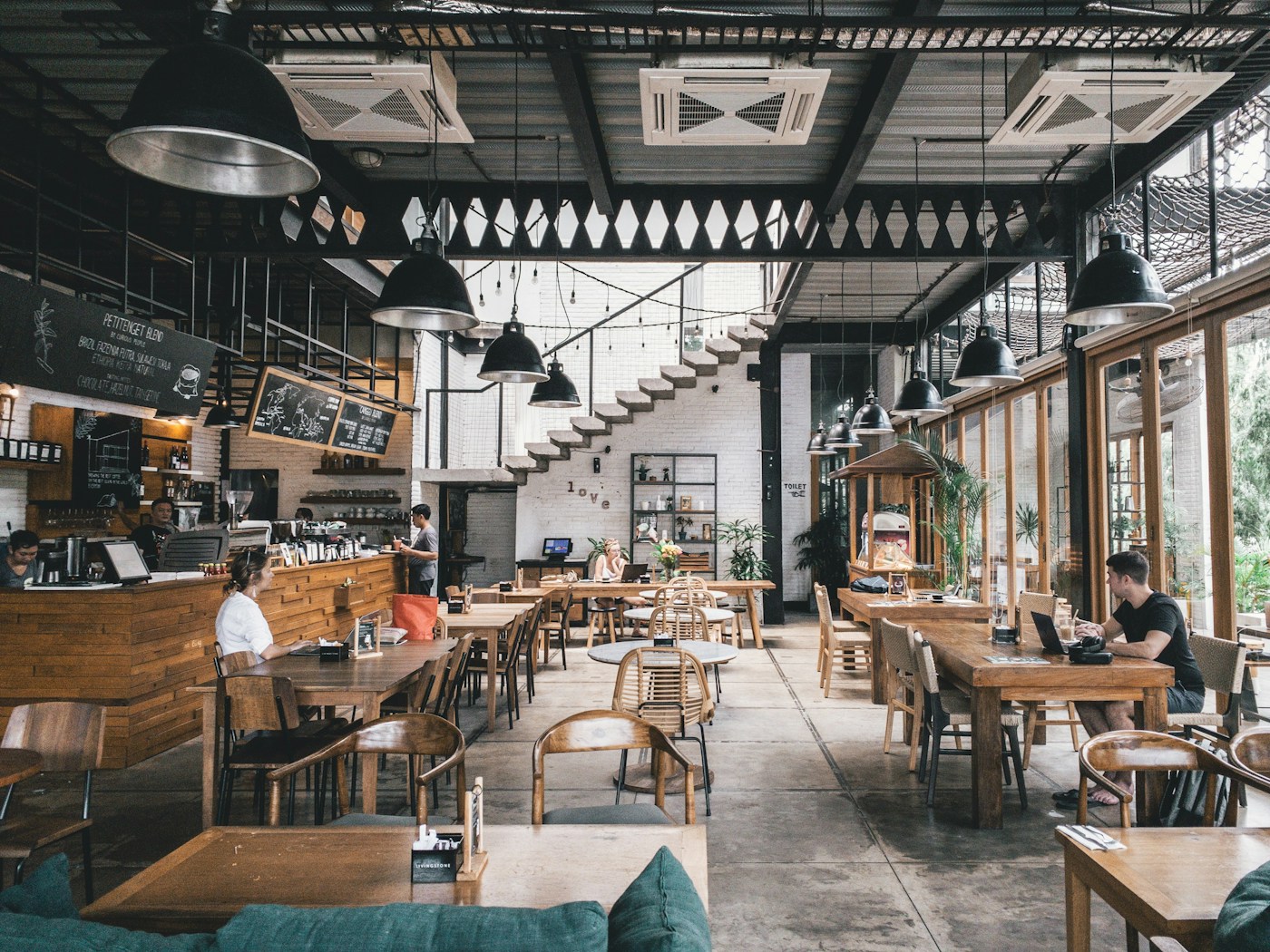
There is a particular quality to kopitiam light in the mid-afternoon. The sun has passed its highest point but has not yet acquired the amber urgency of evening. Through the louvres it arrives striped — bright bands and sharp shadows alternating across the table surface. I watched a stripe slowly migrate across my cup as the earth turned, which is a grand way of describing something that took about forty minutes and required no effort on my part.
The auntie brought the tea without being asked for the second cup. She knows I linger. The first sip was cold enough to contract my teeth; the condensed milk sat at the bottom until I stirred it into a pale caramel. Teh-C peng is a simple drink and a reliable one. I have never had a bad version in this kopitiam, which is a kind of neighbourhood fidelity I value more than novelty.

I had come to the kopitiam with a half-formed paragraph in my notebook about Chin Swee Road, written before I knew how the November evening would unfold. I read it over and decided it was too certain — too willing to conclude. I crossed out a sentence and wrote leave space for what you did not see in the margin. The auntie passed with a cloth and wiped the next table without interrupting my pen.
At four o'clock a secondary school student came in for toast and a hot milo. The uncle folded his newspaper. The louvre shadows had rotated thirty degrees. I paid — three dollars and twenty cents, placed on the counter because the auntie prefers not to walk over — and stepped back into the corridor heat.
Outside, Silat Avenue was performing its ordinary afternoon: delivery riders, an elder walking a small dog, the distant sound of construction that never quite finishes in this city. I carried the kopitiam's striped light in my eyes for a few steps, the way you carry any strong visual impression, and then it faded into the general brightness of the corridor.
These small hours are what LifeBeam is built from. Not events, not discoveries — just attention paid to a cup of tea and the geometry of light on Formica while the city continues its work around you.