I took the bus south on a Monday when the morning rain had already spent itself. Telok Blangah Hill Park is not far from my flat as the crow flies, but Singapore's road geometry means it takes three transfers and forty minutes to arrive by public transport. I do not mind. The bus ride is part of the walk's preamble — a slow departure from the HDB corridors into something greener.
The park connector begins near the hill's base and climbs in gentle switchbacks. On the fifteenth of September the path was damp in patches where water had not yet evaporated from the morning shower. Runners passed me with the focused silence of people maintaining a pace. I walked without a pace to maintain.
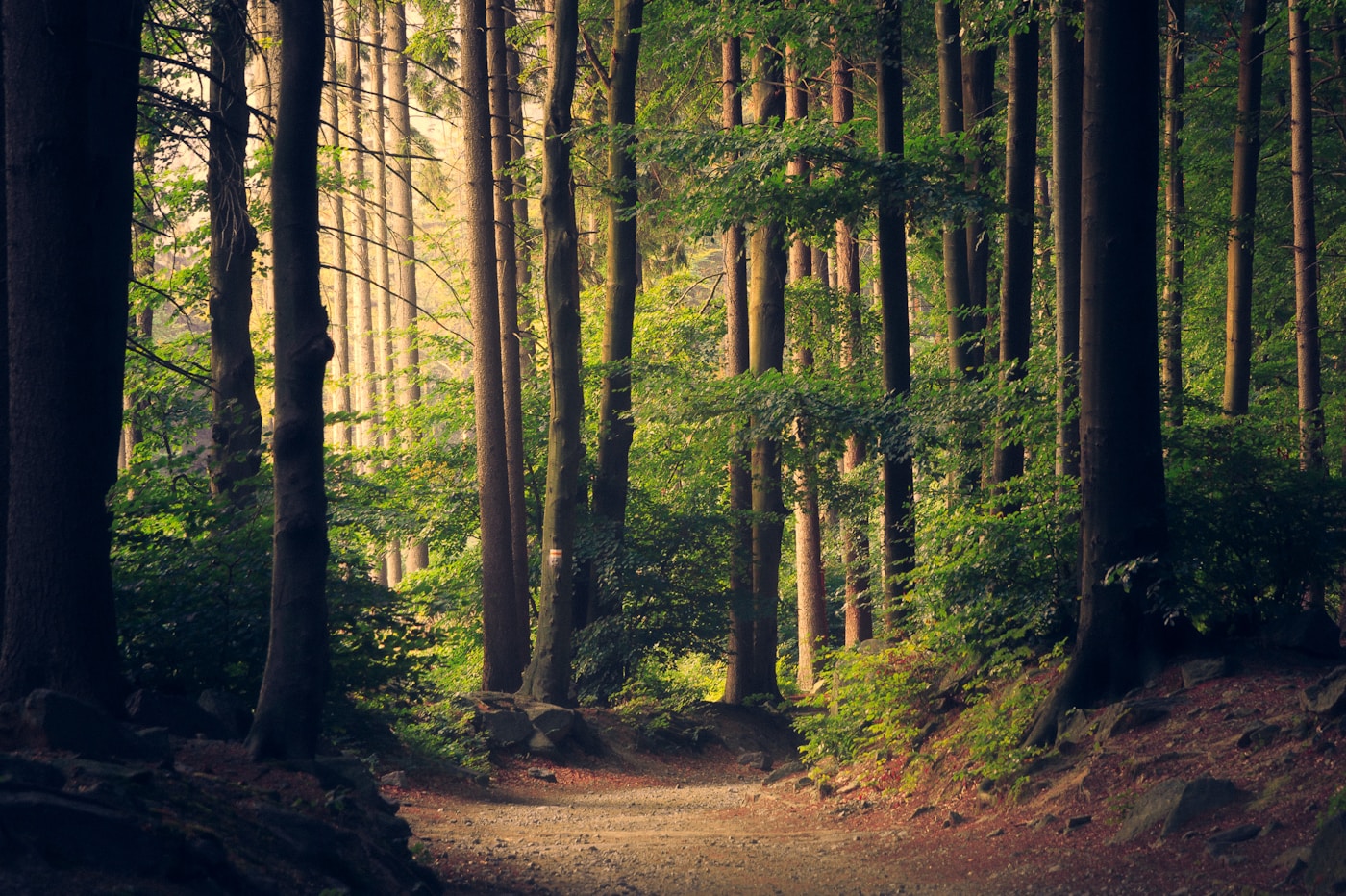
What I came for was the transition between shade and open sky. The connector passes through sections of mature trees where the canopy closes overhead, producing a green-filtered dimness that feels like being underwater. Then the path opens onto a ridge section where the sky arrives all at once — white-blue, unfiltered, slightly too bright after the shade.
I stopped at one of these transitions and watched my eyes adjust. It takes approximately eight seconds for the pupil to compensate, though I have never timed it precisely. During those eight seconds the world is slightly too much — too bright, too detailed, too present. Then clarity arrives and you can see the port cranes in the distance and the tower blocks of Bukit Merah and, on a clear day, a slice of the strait.
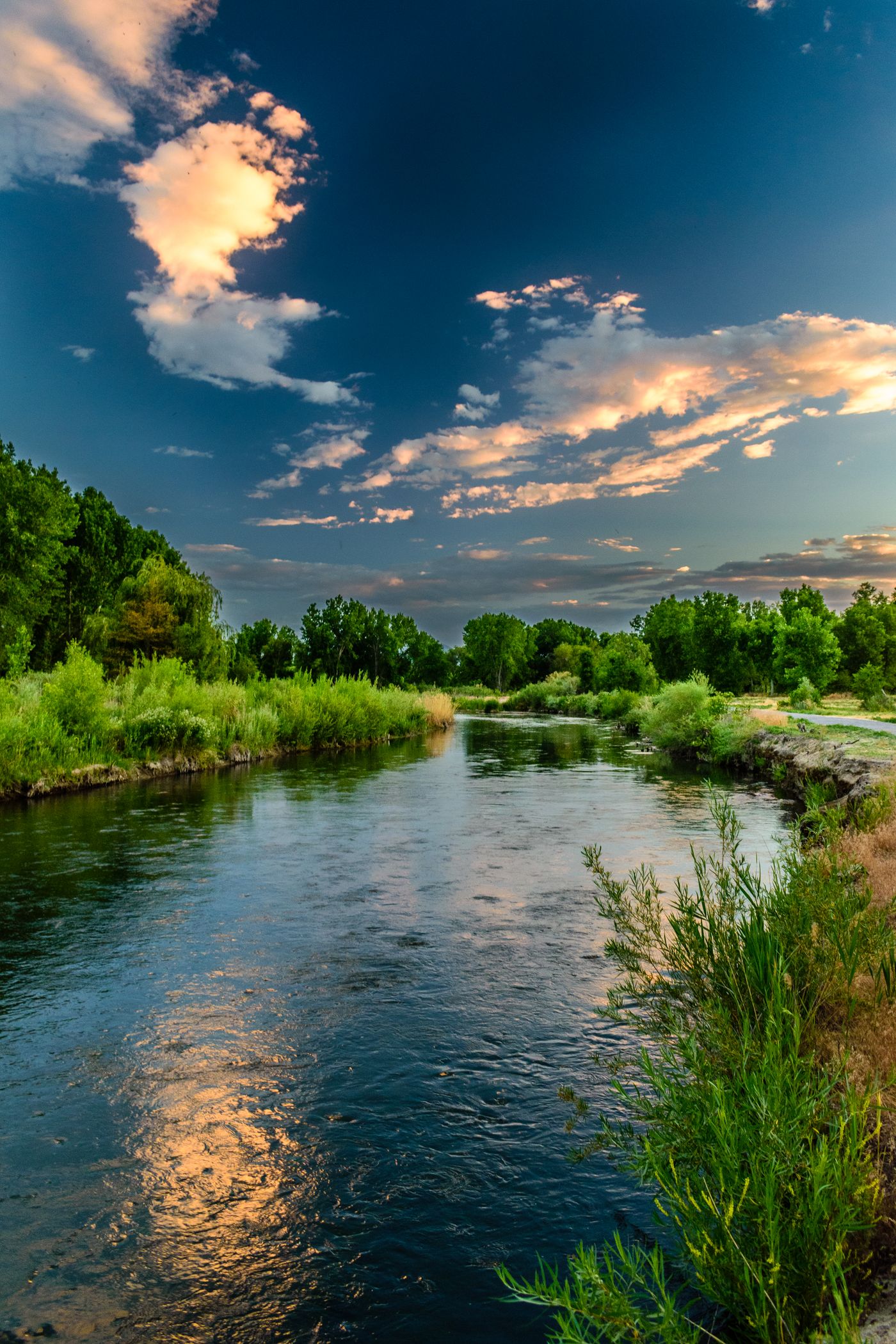
There is a bench at the ridge where an elderly couple were sharing a thermos of tea. They nodded when I sat at the other end. We did not speak. Three people on a bench, each looking at a different part of the horizon — this is a sufficient social arrangement for a weekday morning.
I thought about how light behaves differently on a hill than in my flat. At home, light is architectural — it enters through windows I did not choose and falls across furniture I did. On the connector, light is ecological. It is filtered by species of tree I cannot always name, reflected off dew on leaves, blocked and restored by clouds moving faster than I walk.
After forty minutes I descended the same switchbacks. My knees registered the downhill in the way knees do when you are no longer young but not yet old. At the bus stop I checked my phone and found no messages requiring immediate response. The morning had been entirely mine — a rare and simple fact.
I wrote this entry not because the walk was extraordinary but because the ordinary, seen clearly, produces its own kind of record. The connector will be there next month and the month after. The light will fall differently each time. That variability is enough reason to return.